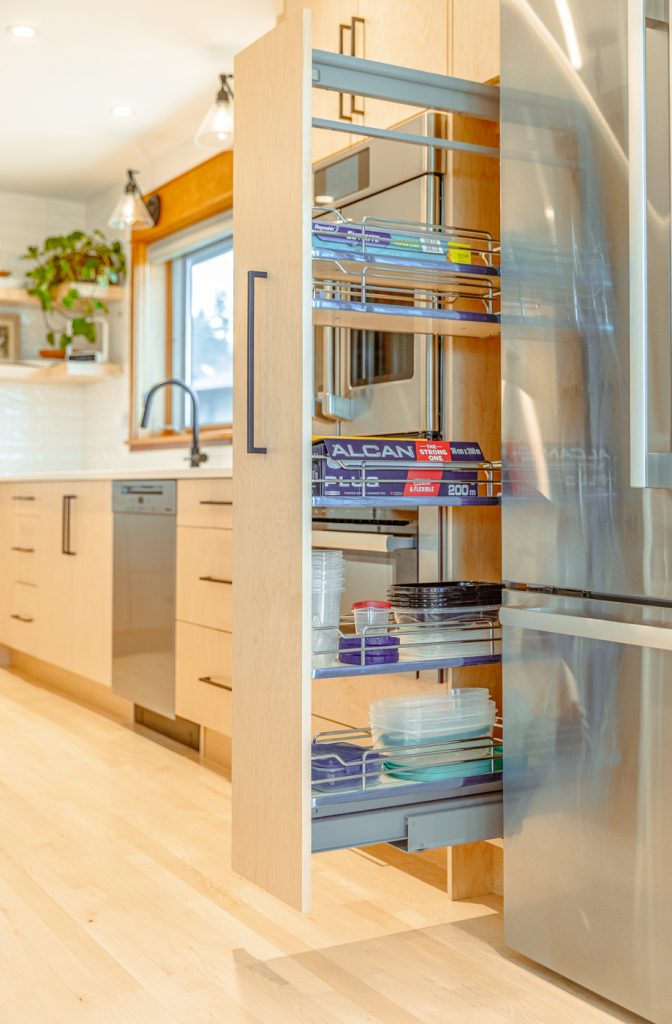
Cabinet installation is one of the most exciting stages of a kitchen, bathroom, or millwork renovation. While the finished cabinetry may appear effortless once installed, achieving that seamless result requires careful planning, precision, and experienced craftsmanship.
At Classic Kitchens & Design, we work closely with professional installers and finishing carpenters across Nanaimo, Parksville, and Vancouver Island to ensure cabinetry is installed properly and built to last.
Understanding what happens before, during, and after installation helps homeowners prepare their space and ensures installation day runs smoothly.
Here’s what you should know, expect, and prepare for before your cabinet installation day.
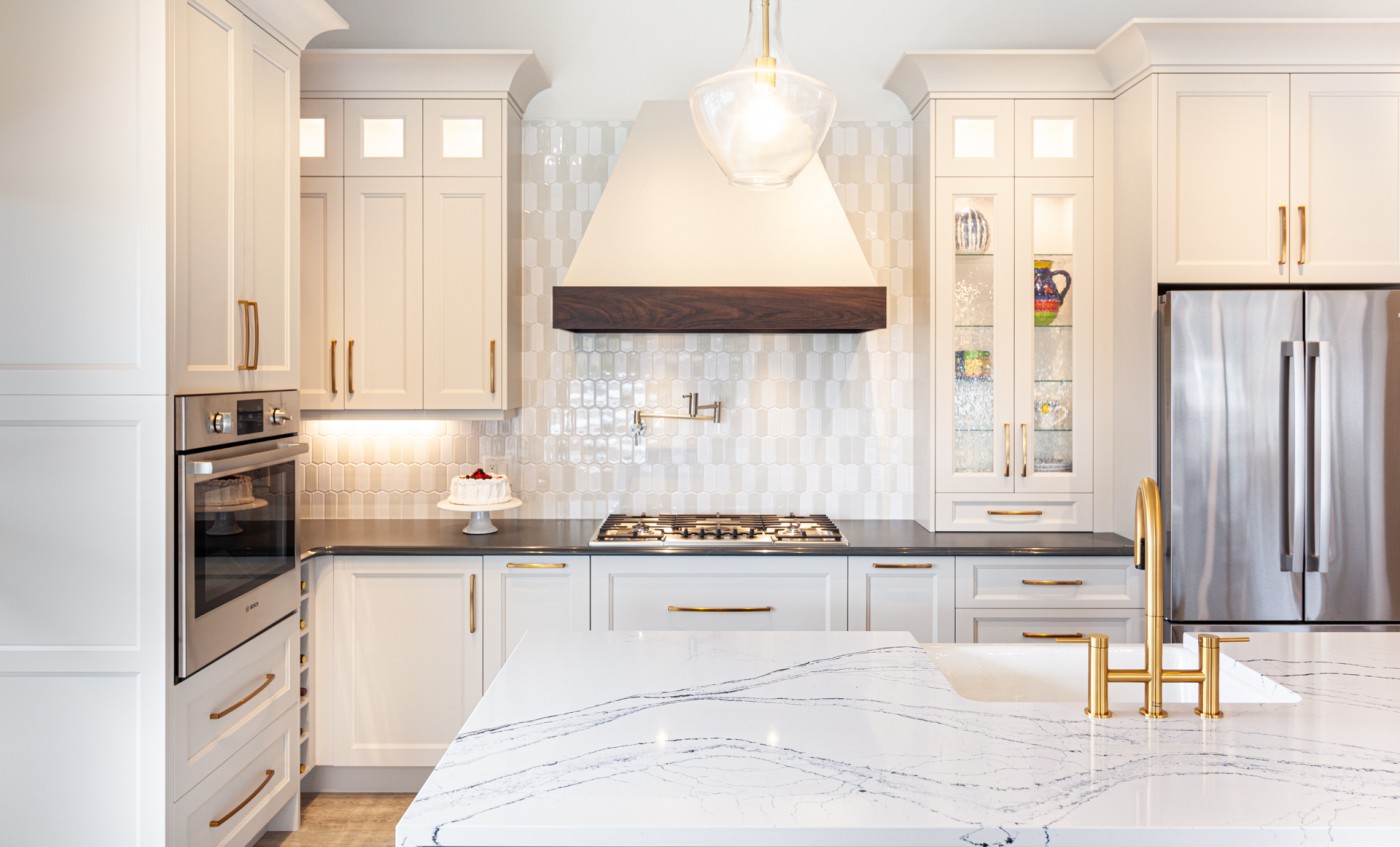
A little preparation helps installers work efficiently and protects your home during the process. Before installation day arrives, we recommend clearing and preparing the surrounding area.
To help things run smoothly:
- Remember that this is carpentry and your home will be a job site. To get your cabinetry and millwork custom fitted to your home we will be cutting wood. While we have tools to minimize it, there will be sawdust.
- We will need a dry / covered area to do any cutting. Garage or covered deck will work. Ideally, if there is the space we can set up our table saws right in the work area. You would just want to make sure furniture / decor are removed or covered.
- If you have furniture in your home near the work area (sofas / tables) we recommend throwing a drop sheet over it.
- Remove fragile or valuable items from nearby rooms and countertops
- Ensure there is a clear pathway from the entrance to the installation area
- Keep pets and small children safely away from the workspace.
- Make sure a nearby electrical outlet is accessible for power tools
These simple steps allow the installer to move materials easily and focus on the detailed work required for a precise installation.
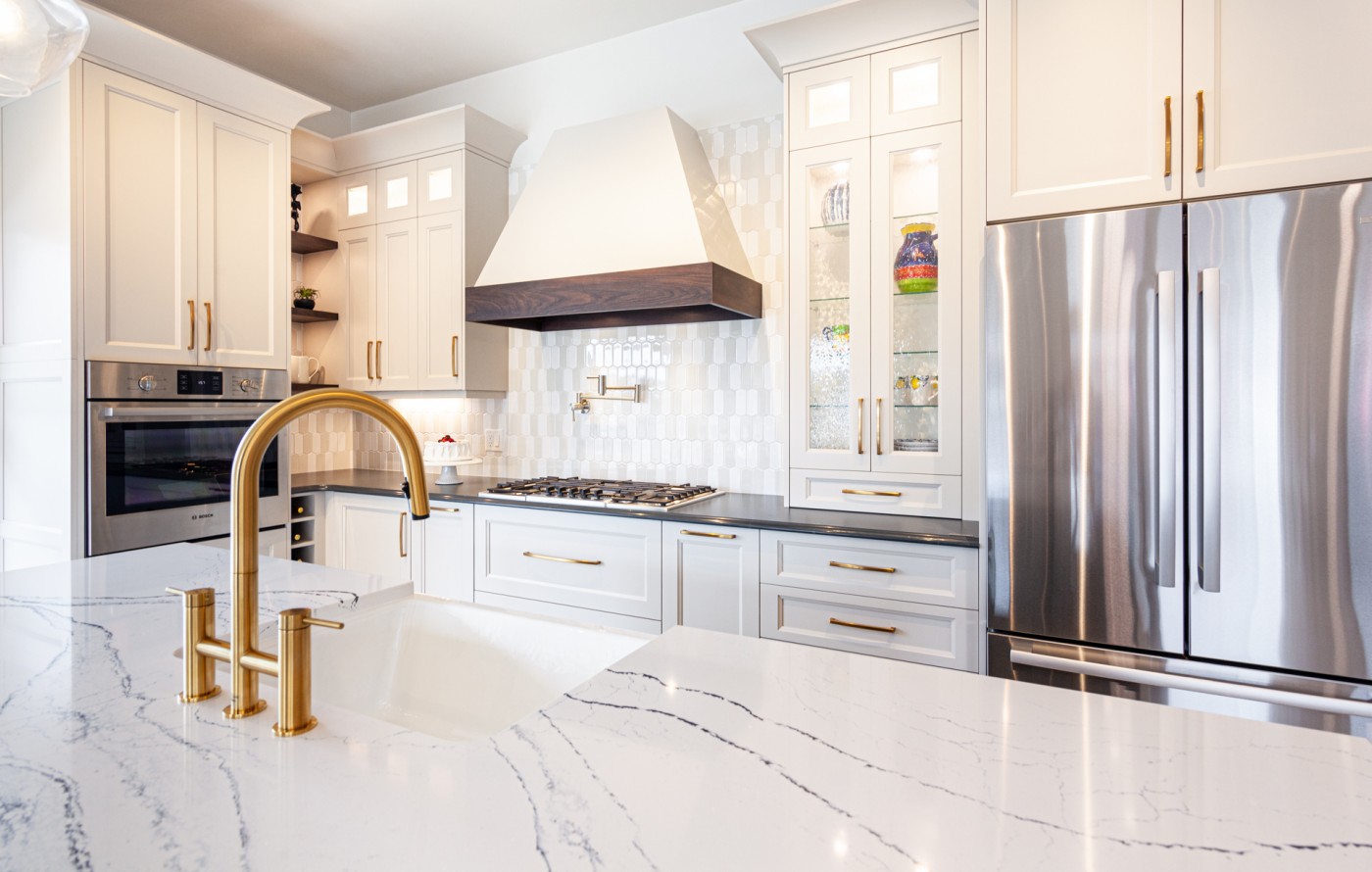
On installation day, the installer will begin by carefully unpacking the cabinetry, panels, fillers, and moulding pieces. Each component must be inspected and handled with care before installation begins.
To make the process easier:
- Floor-standing appliances such as refrigerators, ranges, and dishwashers should be nearby and accessible so they can be positioned when required.
- Cabinet doors and drawers are temporarily removed to protect them from scratches or dents during installation.
- A small cutting station may be set up on site so panels, fillers, and moulding can be custom-fitted to the space.
Because cabinetry is precisely fitted to your home, some noise and dust are normal as power tools are used throughout the day.
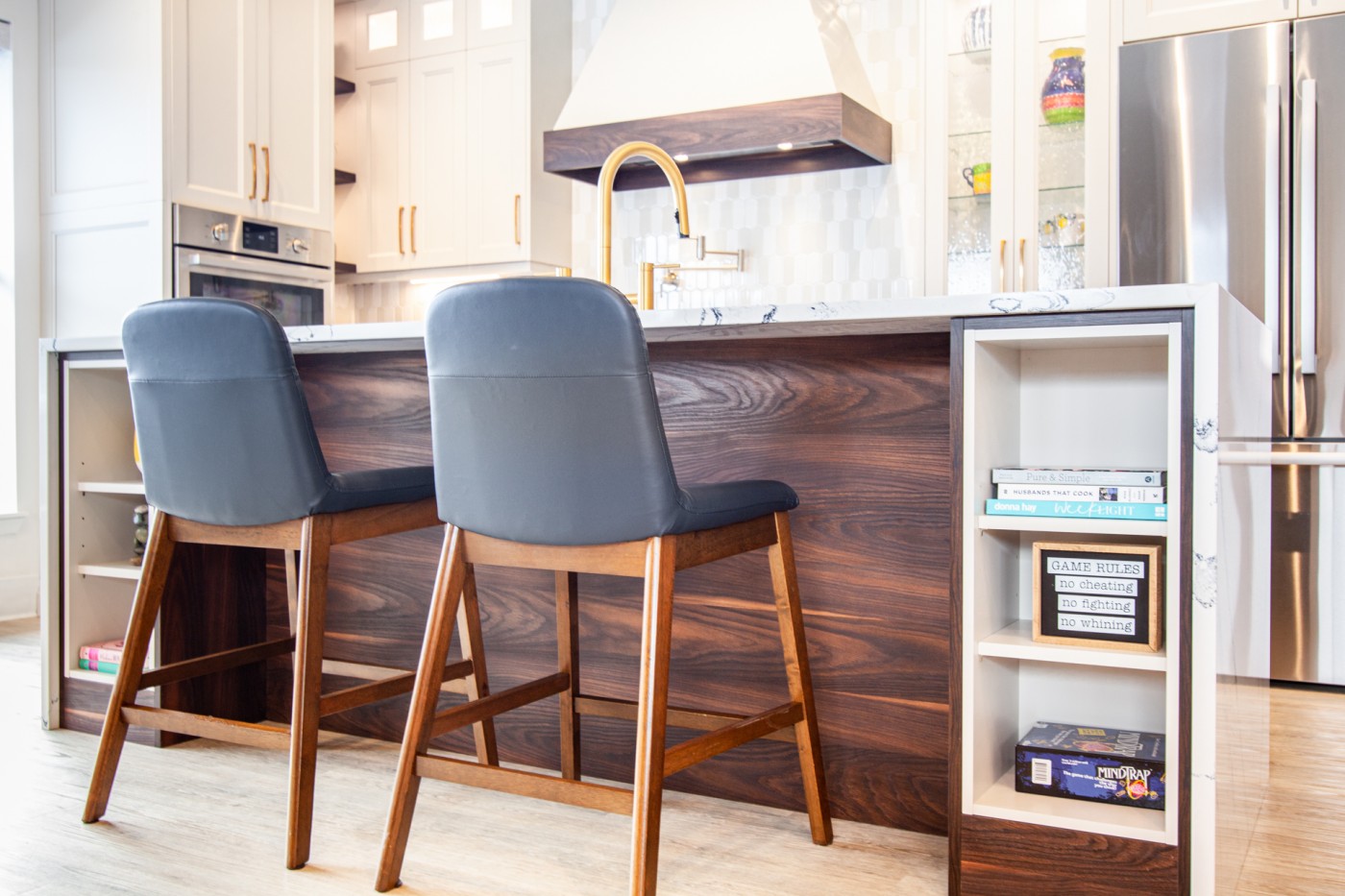
Cabinet installation typically begins at the highest point of the floor. This ensures all cabinets remain level even if the flooring itself is slightly uneven — something that is common in most homes.
From there, the installer works methodically across the space:
- Corner cabinets are often installed first to establish alignment.
- Cabinets are secured to the wall and to adjacent units using screws to create a strong and stable structure.
- Any visible screw heads are concealed with matching cover caps for a clean, finished look.
Once base cabinets, tall pantry cabinets, and other fixed units are installed, the space is ready for countertop templating and measurements, allowing countertops to be fabricated to the exact dimensions of the cabinetry.

The final stage of installation focuses on the details that give cabinetry its polished, professional appearance.
During this phase the installer will:
- Reattach cabinet doors and drawers
- Carefully adjust hinges and drawer slides
- Install mouldings, fillers, and decorative trim pieces
- Apply cabinetry putty / touch up paint where needed to fill small seams in moulding joints
Because cabinetry is installed against existing walls, floors, and ceilings, minor touch-ups such as paint or caulking may sometimes be required — particularly in older homes where surfaces may not be perfectly straight. These small finishing touches help achieve the best final result.

Once the installation is complete, the installer will remove tools and clean up sawdust and debris as thoroughly as possible. Depending on prior arrangements, packaging materials and any excess supplies may also be taken away.
Finally, a walkthrough with the installer allows you to check doors, drawers, and overall installation, ensuring that everything functions perfectly and meets your expectations.
Installation day marks the final step before you can fully enjoy your new cabinetry. While the process may involve some temporary disruption, the result is a carefully installed, beautifully crafted space designed to serve your home for many years.
If you’re planning a kitchen, bathroom, or custom cabinetry project in Nanaimo, Parksville, or anywhere across Vancouver Island, the team at Classic Kitchens & Design is here to guide you from the first design ideas to the final installation.